Apple juice is a widely consumed fruit juice beverage enjoyed by consumers worldwide. But how is apple juice manufactured? The processing of apple juice is not simply a matter of “squeezing the juice,” but rather a systematic and standardized process. Furthermore, the processing techniques vary depending on the type of apple juice product.
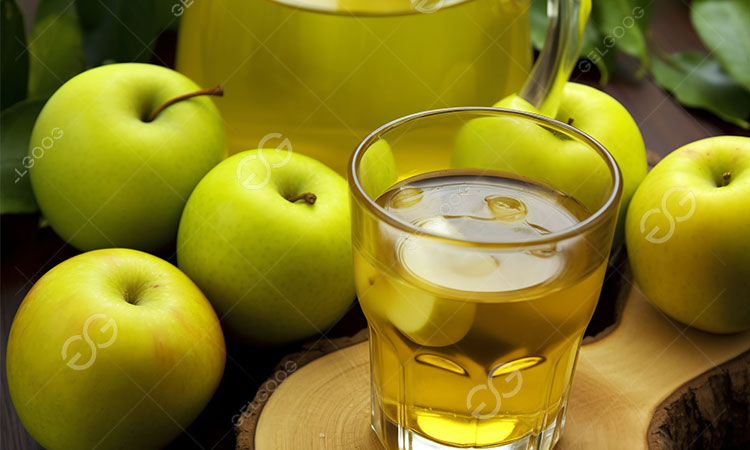
How is apple juice manufactured?
Step 1: Raw material selection
The requirements for raw materials used in apple juice production are not particularly stringent. Apples with minor surface imperfections that do not affect the internal quality can be used for juicing to improve raw material utilization. However, rotten or moldy apples cannot be used as raw materials for apple juice production.
Step 2: Cleaning
Cleaning is a crucial step in the entire production process and requires thorough cleaning using a cleaning machine; otherwise, it will affect product quality.
Step 3: Crushing and Pulping
The washed apples are fed into a crusher, where they are chopped into small pieces to facilitate subsequent juicing.
Step 4: Juicing
This process separates the juice from the pulp, resulting in pure juice.
Step 5: Enzymatic Hydrolysis
To increase juice yield and reduce turbidity, pectinase is usually added for enzymatic hydrolysis. The hydrolysis time and temperature must be strictly controlled, otherwise it will affect the taste and color.
Step 6: Clarification and Filtration
Depending on the product type, apple juice can be clarified or simply subjected to coarse filtration.
Step 7: Blending
At this stage, the formula can be adjusted according to the product positioning, such as:
Adjusting the sugar and acidity levels;
Adding other fruit juices;
Adding water to make a fruit juice beverage.
Different formulas can produce different types of apple juice.
Step 8: Sterilization
Apple juice is typically pasteurized to kill microorganisms and extend its shelf life, while minimizing damage to flavor and nutritional value.
Step 9: Filling and Packaging
After sterilization, the juice is filled into containers in a sterile environment. It can be packaged in bottles, cartons, or pouches before being sold on the market.
Issues to consider during apple juice processing:
Preventing oxidative browning: Apples are very susceptible to oxidation during crushing and juicing. Exposure time should be minimized, and antioxidant measures should be employed if necessary.
Temperature control: Improper temperature control during enzymatic treatment, sterilization, or storage will affect product flavor and stability.
Raw material consistency: Apples of different varieties and origins have significant differences in sugar-acid ratio, requiring adjustments in formulation and processing.From raw materials (apples) to the finished product (apple juice), the apple juice production line plays a crucial role. Only through a rational processing flow and the use of appropriate equipment can high-quality apple juice be produced.