Sorting has become a crucial step in fruit and vegetable processing. So, is it necessary to sort fruits and vegetables? For fruit and vegetable growers and processing plants, it is absolutely essential.
Why must fruits and vegetables be sorted?
1. Sorting allows for tiered sales, increasing profit margins. Different grades of fruits and vegetables have different sales channels and market values.
High-grade products (good appearance, uniform size, and excellent color) are more suitable for supermarkets and high-end stores, and naturally command higher prices.
Medium-grade products can be supplied to wholesale markets or processing plants.
Low-grade products are typically used for further processing, such as juicing, canning, and pureeing.
Through tiered sales, producers can fully utilize each type of product, maximizing value. Compared to mixed sales, tiered sales generally result in higher overall profits.
2. Sorting enhances product image and increases market acceptance.
Whether in supermarkets or the fruit and vegetable supply chain, the uniformity of products is emphasized.
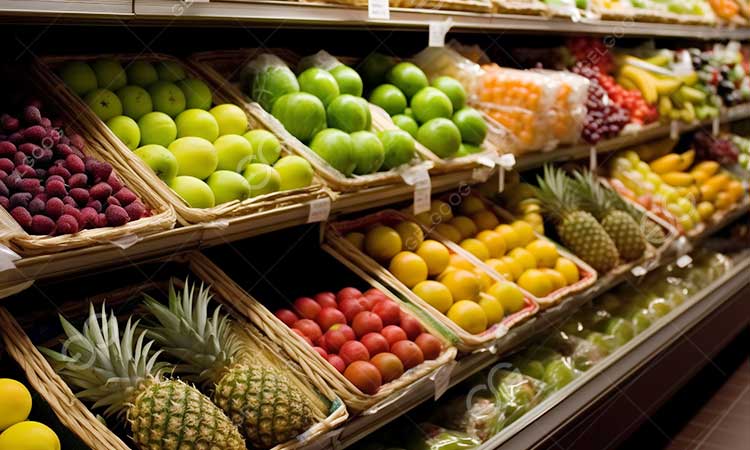
If fruits and vegetables displayed on shelves are of consistent size and color, the consumer buying experience is significantly improved.
Graded products, with their neat and uniform appearance, are more likely to gain the trust of buyers and consumers, thereby enhancing brand image.
3. Facilitates packaging and transportation, reducing spoilage.
Ungraded fruits and vegetables vary in size and firmness, making them more susceptible to damage during transport.
Sorting allows for more appropriate packaging designs based on size, weight, and ripeness, thereby: reducing damage during transport, extending shelf life, and lowering the overall spoilage rate.
4. Better meeting market and export standards, enhancing competitiveness.
Many countries have strict grading standards for exported fruits. For example: Citrus fruits are sorted by size, color, and surface blemishes; apples are sorted by diameter, weight, and appearance; and mangoes are sorted by ripeness, weight, and appearance. Without grading, products struggle to enter demanding markets and thus lose competitiveness.
How to achieve efficient sorting?
Modern sorting methods are mainly divided into two categories:
1. Manual sorting: Low cost, but limited efficiency and difficulty in accurately and consistently judging quality. Suitable for small-scale growers.
2. Mechanical sorting: Suitable for processing plants and large-scale growers. Sorting machines can quickly, continuously, and accurately grade crops based on: size, color, shape, defects, etc., greatly improving yield and efficiency.