Pomegranate juice, with its bright red color and rich natural antioxidants, not only solves the problem of peeling pomegranates but also preserves their nutrients, making it popular with many consumers. So, what is the pomegranate juice production process? This article will introduce the main processing steps and key quality control points.
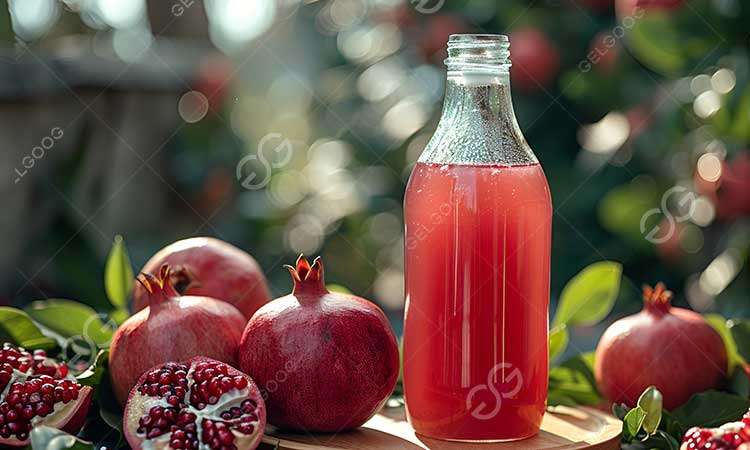
Main Production Process:
1. Pomegranate Selection and Cleaning
First, the pomegranates need to be sorted and cleaned, removing rotten, moldy, or damaged ones to prevent affecting the taste of the juice.
2. Peeling and Seed Removal
Separate the peel and seeds, minimizing peel breakage that could introduce bitterness into the juice.
3. Juicing
Lightly crush the seeds to release the juice while separating the hard seeds inside. Control the pressing pressure to avoid over-squeezing and producing bitterness.
4. Filtration
The purpose of filtration is not only to improve appearance but also to enhance the smoothness of the texture.
5. Sterilization
To ensure that pomegranate juice meets food safety standards and extends its shelf life, it must undergo sterilization. Furthermore, the sterilization temperature and time must be strictly controlled to avoid damaging the nutritional components and taste of the pomegranate juice.
6. Bottling
After sterilization, pomegranate juice should be aseptically filled immediately. Various packaging methods can be selected based on market positioning.
In the whole production process, while pomegranate juice equipment is important, quality control is even more crucial. The following aspects are particularly important:
1. Controlling Peel Inclusion: Pomegranate peel contains a large amount of tannins, which produce a bitter taste. Therefore, the peel must be thoroughly separated before juicing.
2. Controlling Pressing Intensity: Pomegranate seeds contain hard seeds. Over-pressing will release bitter substances. It is recommended to use a staged pressing method to increase juice yield while avoiding bitterness.
3. Preventing Oxidation: Pomegranate juice is rich in polyphenols, which are highly susceptible to oxidation and discoloration. During the juicing process, it is important to minimize air contact.Only by meticulously controlling every detail can we stand out in a highly competitive market and produce high-quality pomegranate juice products.