What is the use of fruit pulper machine? Its primary function is to mechanically crush fresh fruit into a fine pulp, laying the foundation for processing processes such as juice, jam, and puree. Especially in industrial production, the pulping process not only improves production efficiency but also ensures the taste and quality of the product.
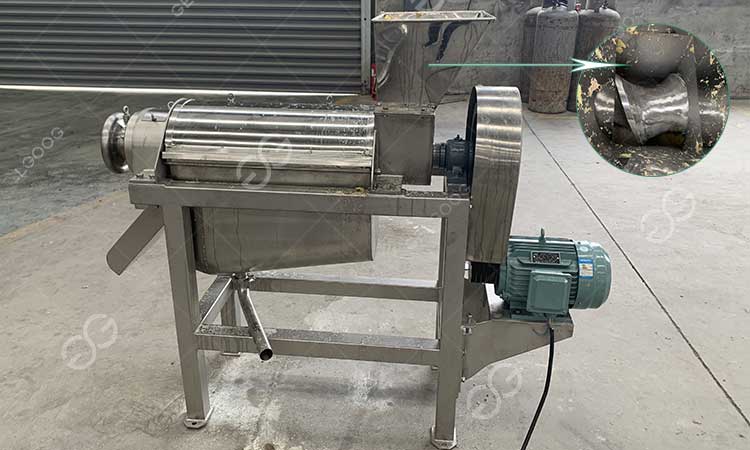
The main functions of a fruit pulper are:
- Pulping: Effectively breaks down the pulp of the fruit, releasing the juice and pulp.
- Fiber Breaking: Further pulverizes the coarse fiber in the fruit, creating a finer pulp.
- Pith and Peel Separation: For fruits with pits or peels, a pulper can simultaneously separate them.
- Improving Product Homogenity: Pulping results in a more uniform texture, improving the taste and stability of products like jams and purees.
Although “fruit beater” is a general name, in fact, the beater equipment used is different according to the structural characteristics of different fruits.
1. For pitted fruits like mangoes and peaches
These fruits are characterized by large, hard pits, which must be separated from the flesh during pulping. Therefore, a pulper with a pitting device, commonly called a pitting and pulping machine, is required.
2. For seedless fruits like pineapples and papayas
These fruits lack hard cores and have relatively soft flesh, making them suitable for processing directly with a standard pulper. This machine is relatively simple, consisting primarily of a screw propeller and a pulping screen.
3. For berries (such as blueberries, strawberries, and mulberries)
These fruits are small, juicy, and low in fiber. Handling them delicately and gently to avoid damaging the seeds or creating excess residue. A dual-pass blender is often used, blending first coarsely and then finely, to achieve a higher yield and finer pulp.
The value of a fruit pulper in practical production:
- Improving production efficiency: Replacing manual crushing, processing large volumes, and saving manpower.
- Ensuring product consistency: Standardized pulping standards ensure a more consistent product taste.
- Facilitating subsequent process integration: The pulped pulp is easier to sterilize, concentrate, and bottle.