How is apple juice made step by step? The entire process typically includes cleaning, crushing, juicing, sterilization, and bottling. Different types of apple juice (such as clarified juice, cloudy juice, and concentrated juice) may have different specific processes, but the core process is basically the same.
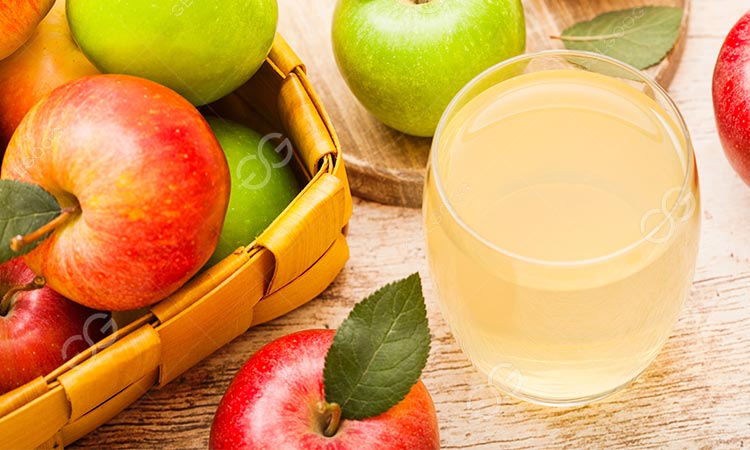
- Cleaning: Cleaning is crucial to ensuring product hygiene and quality. Factories typically use bubble washers or spray washers, utilizing the dual effects of air bubbles and high-pressure spray to remove impurities from the apple surface.
- Crushing: After washing, the apples need to be crushed. The crusher breaks the whole apple into small, granular pulp, making it easier to release the juice during the juicing process. Be careful not to overcrush the apples, as this will break the seeds and affect the flavor of the juice.
- Juicing: The crushed apples are fed into a juicer for pressing. During the juicing process, the juice is separated, while the pomace, peel, and seeds are automatically discharged, effectively separating the juice from impurities.
- Pasteurization: Freshly squeezed apple juice contains a large number of naturally occurring microorganisms and enzymes. If left untreated, it can easily spoil. Therefore, pasteurization is essential. Common methods include pasteurization or ultra-high temperature (UHT). The temperature and time for pasteurization vary depending on the product type. For example, pasteurization is typically performed at around 85°C for approximately 30 seconds, effectively killing microorganisms while preserving the juice’s nutrients and flavor.
- Filling: After sterilization, the apple juice enters the aseptic filling stage to prevent secondary contamination. Depending on market demand, the filling format can be glass bottles, PET bottles, aluminum cans, or aseptic cartons. After filling, the product undergoes sealing, labeling, and testing, ultimately becoming the final product ready for sale.
Process Differences Between Different Types of Apple Juice
It should be noted that the production processes and equipment for different types of apple juice vary slightly:
- Clear apple juice: After squeezing, it undergoes enzymatic hydrolysis, filtration, and clarification to achieve a clear, transparent juice.
- Cloudy apple juice (original juice): This retains the natural suspended matter of the apple pulp, resulting in a richer flavor.
- Concentrated apple juice: This juice undergoes vacuum evaporation and concentration to allow for long-term storage and export, and must be reconstituted into juice before use.
Click to rate this post!
[Total: 0 Average: 0]