Apple juice is a highly popular beverage, prized for its sweet-and-tangy flavor and rich fruity aroma. For beverage processing plants, juice manufacturers, and companies planning to invest in apple juice production, a key challenge—and a primary focus during the production process—is how to transform fresh apples into apple juice that offers consistent quality and an excellent taste.
The production of apple juice typically involves several stages, including raw material inspection, washing, sorting, crushing, juicing, filtration, blending (optional), sterilization, and filling. Each step influences the juice yield, color, and the shelf life of the final product. Among these, the extraction process is critical; professional apple juicing equipment enables facilities to extract juice efficiently while providing a consistent raw material for subsequent processing steps.
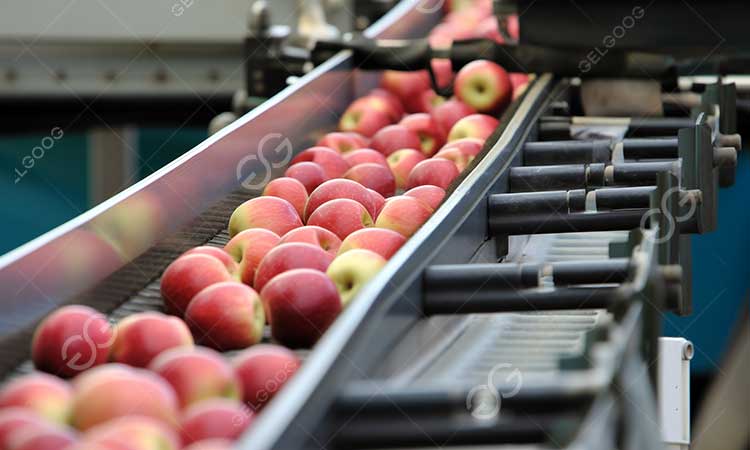
Main processing workflow for apple juice:
Fresh apples → raw material inspection → washing and sorting → crushing → juicing → filtration and clarification → blending (optional) → pasteurization → filling and packaging
The actual production line can be adjusted based on the product type, target production capacity, and specific process requirements. For instance, when producing cloudy apple juice, some fine pulp particles may be retained; conversely, producing clear (clarified) apple juice typically requires additional steps such as enzymatic treatment, fine filtration, or other clarification processes.
Key considerations in apple juice processing:
1. Strict control of raw apple quality
The quality of raw materials is the foundation that determines the quality of the final apple juice. Facilities should establish clear acceptance criteria for raw materials, incorporating checks for ripeness, signs of decay, the presence of foreign matter, and other critical indicators. Since different apple varieties vary in terms of juice yield, sugar-to-acid ratio, and flavor profile, it is advisable to conduct tests using representative samples of the actual raw materials when planning a production line; this ensures a more accurate assessment of equipment processing capacity and juice yield.
2. Preventing oxidation and discoloration in apple juice
Once apples are crushed and juiced, their internal tissues come into contact with air, which often triggers enzymatic browning and causes the juice to gradually darken in color.
To mitigate this, processing facilities can implement various measures—depending on specific product requirements—such as minimizing the time elapsed after juicing, optimizing transport workflows, limiting exposure to oxygen, and employing appropriate anti-browning techniques.
3. Properly control juicing pressure and pulp consistency
Higher juicing pressure is not necessarily better. Insufficient pressure may result in juice being left behind in the pomace, while excessively high pressure—or improper pulp consistency—can increase the proportion of fine solids entering the juice, placing an additional burden on subsequent filtration processes. Processing facilities should adjust operational parameters based on factors such as apple ripeness, the particle size of the crushed fruit, equipment design, and actual juice yield; furthermore, they should conduct regular inspections of the screens, pressing components, and pomace discharge systems.
4. Prioritize equipment cleanliness and food hygiene
In an apple juice production line, all components—including washers, crushers, juice extractors, conveying pipelines, storage tanks, filtration equipment, and filling machinery—must be cleaned and maintained in accordance with hygiene management requirements.
If you encounter any issues during the apple juice processing operation, please feel free to leave us a message.