Description
Mango juice is produced using mangoes as the primary raw material through a series of processes, including washing, peeling and destoning, crushing and pulping, refining, formulation, homogenization, sterilization, and filling.
The GELGOOG complete juice production line can be customized based on raw material characteristics, target output, product formulations, and factory space, providing comprehensive mango processing solutions for juice processing plants, fruit deep-processing enterprises, and beverage manufacturers.
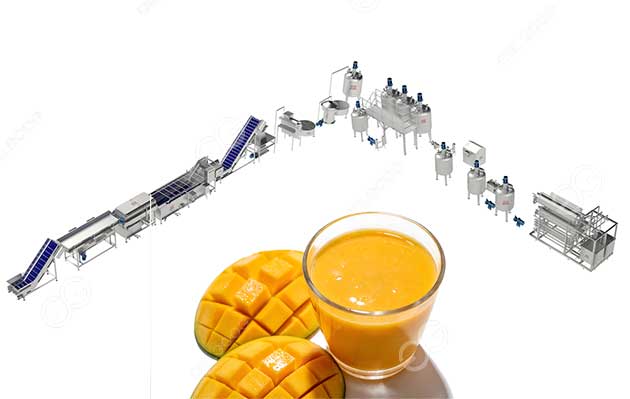
Main Processing Steps for Mango Juice:
- Mango Washing and Sorting
Fresh mangoes first enter the washing equipment to remove surface soil, dust, and other impurities. Subsequently, they undergo manual or mechanical sorting to remove mangoes that are rotten, damaged, or otherwise fail to meet production standards. Consistent raw material quality helps enhance the quality of the juice.
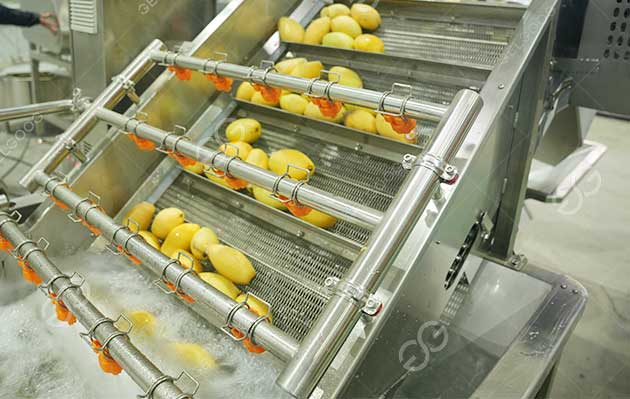
- Peeling, Pitting, and Pulp Processing
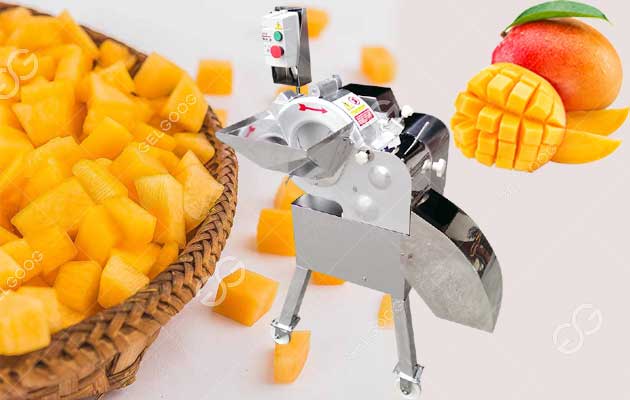
After washing, the mangoes enter the equipment for peeling, pitting, or pulp separation. Depending on the mango variety and the processing method, various mechanical configurations may be employed to maximize pulp yield and minimize raw material loss.
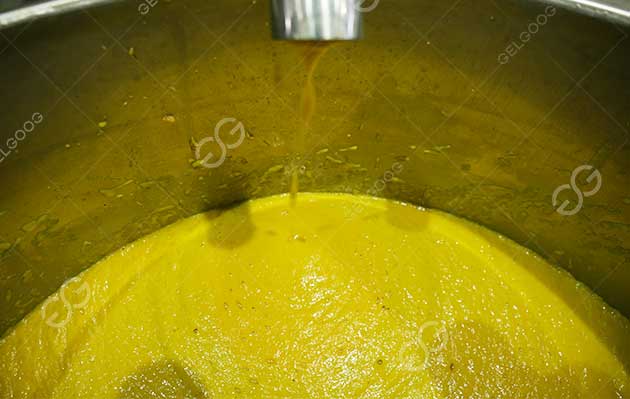
- Crushing and Pulping
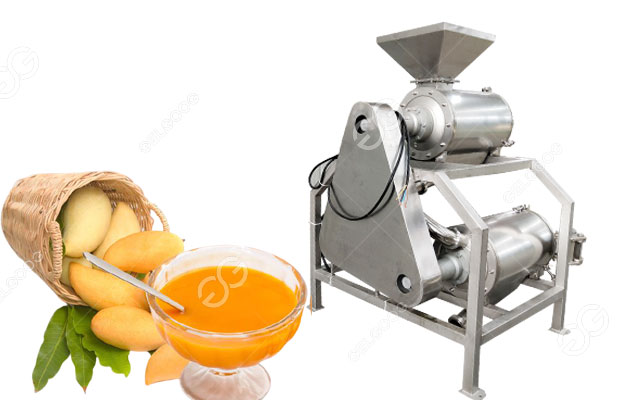
After crushing, the mango flesh enters the pulping equipment, where it is processed into a relatively uniform mango pulp. For mangoes with high fiber content, appropriate refining equipment is also required to improve the smoothness and mouthfeel of the pulp.
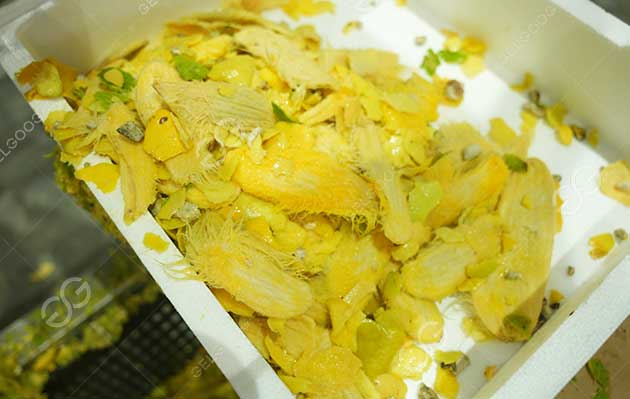
- Blending and Homogenization
Depending on the product positioning, mango pulp can be processed directly or blended with ingredients such as water and sugar in accordance with the product formula. Homogenization ensures a more uniform distribution of fruit pulp particles and other components, helping to improve the product’s stability and mouthfeel.
- Pasteurization
The mango juice undergoes pasteurization to reduce microbiological risks and extend the product’s shelf life. Pasteurization temperature and duration must be determined based on the product formulation, packaging format, and production process.
- Filling and Packaging
The processed mango juice is fed into filling equipment, where packaging formats such as bottles, cans, pouches, or others can be selected based on the product type. Following the filling stage, equipment for sealing, labeling, coding, and casing can be integrated to establish a complete commercial production process.
Mango Fruit Juice Processing Machine:
A complete juice production line is an industrial equipment system designed for the continuous processing of fresh mangoes into juice, mango pulp, or mango-based beverages. Depending on the enterprise’s product positioning and production capacity requirements, the line may comprise equipment such as mango washers, sorting units, peeling and destoning machines, crushers, pulpers, refiners, storage tanks, blending tanks, homogenizers, sterilization units, filling machines, and packaging equipment.
The complete juice production line can be constructed from food-grade stainless steel and integrates PLC control, variable-frequency speed regulation, and automated conveying systems to ensure seamless transitions between processing stages. Enterprises can choose between semi-automatic and fully automatic solutions based on their actual investment budgets and future production capacity plans.
Application Scenarios for Mango Juice Processing Machine:
Complete mango juice production lines are suitable for various commercial fruit processing scenarios, including:
- Fruit juice beverage manufacturers: Producing mango beverages in bottles, cans, or other formats.
- Fruit deep-processing plants: Converting large quantities of fresh mangoes into products such as mango pulp and juice, thereby increasing the value-added of raw materials.
- Mango growers and agricultural enterprises: Extending the industry value chain through processing equipment and reducing losses during peak fresh fruit harvest seasons.
- Fruit juice export companies: Configuring equipment to meet specific product specifications, packaging requirements, and production capacity needs of target markets.
In regions with high mango yields, establishing industrial-scale mango juice production lines also enables enterprises to implement standardized processing systems that cover everything from fresh fruit handling to finished product packaging.
FAQ
Q1: What is the production capacity of the mango fruit juice processing machine?
A: The capacity ranges from 200 kg/h to 5 tons/h; the specific capacity is determined based on the customer’s raw material supply, the type of finished product, and the factory layout.
Q2: Can the production line only produce mango juice?
A: Not necessarily. With appropriate equipment configuration and process adjustments, some systems can also be used to process mango pulp as well as other fruit juices and fruit pulp products.
Q3: Do you provide complete juice production line services?
A: Yes. GELGOOG offers comprehensive services—ranging from process design and equipment manufacturing to installation, commissioning, operational training, and after-sales support—to help enterprises establish complete mango juice processing projects.
Reviews
There are no reviews yet.