We recently successfully delivered a 200 kg/h mango pulp processing line to a client from Pakistan. The client owns its own mango orchards and sells freshly harvested mangoes to juice manufacturers during the annual harvest season. This cooperative model has been in place for years, resulting in a stable customer base. However, as the scale of cultivation continued to expand, clients gradually realized that relying solely on the sale of fresh fruit presented significant limitations.
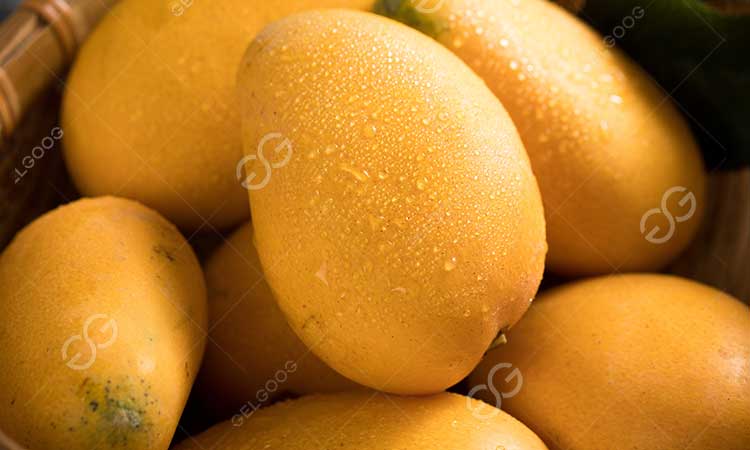
First, mangoes are highly perishable fruits that require specific conditions for transport and storage. During transit from the orchard to the juice processing plant, mangoes with higher levels of ripeness are prone to quality deterioration—or may even become unsuitable for processing—due to compression, impact, or exposure to high temperatures.
Secondly, during peak harvest seasons, large quantities of mangoes flood the market simultaneously; however, the processing capacity of juice plants is limited, making it impossible to process all the raw material within a short timeframe. Consequently, some mangoes that ripen quickly must be sold at low prices, or even go to waste because the optimal sales window has been missed.
The client realized that rather than bearing the losses associated with transporting fresh fruit and the risks of market price fluctuations, it would be better to process the mangoes directly into pulp for sale to juice manufacturers. For juice companies, mango pulp offers greater convenience and consistent quality, allowing it to be utilized as needed in accordance with production schedules.
In the early stages of the project, the client considered high-capacity equipment; however, following in-depth discussions, we did not recommend a high-capacity solution, opting instead to conduct a comprehensive analysis based on the client’s actual circumstances.
Although Pakistan produces abundant mangoes, they are a quintessentially seasonal fruit, with supply concentrated within just a few months. Installing an oversized production line would result in a significant drop in equipment utilization during the off-season; this not only increases initial capital expenditure but also drives up long-term maintenance and operating costs.
Therefore, we recommend that clients initially opt for a 200 kg/h mango pulp production line. This configuration meets current processing needs while effectively controlling initial investment costs. Furthermore, the compact production line requires less factory floor space and offers greater flexibility in staffing, making it easier for clients establishing a fruit processing plant for the first time to achieve rapid startup and stable operations.More importantly, the production line allows for future upgrades; equipment can be added incrementally in response to market demand to boost production capacity without requiring a redesign of the entire facility. Processing fresh mangoes into purée not only enhances the product’s value-added potential but also mitigates the risks associated with transport-related losses.