The mango is a common and widely popular fruit. In addition to being consumed fresh, mangoes are frequently processed into a variety of products—such as mango juice, purée, dried mango, and frozen diced mango. This not only extends the value chain of the mango industry but also enhances the fruit’s added value. Consequently, many mango growers and fruit processing enterprises are now turning their attention toward advanced mango deep-processing projects. So, how much does a mango processing plant cost?
1. Factory Construction Costs
First, factory construction constitutes a crucial component of the overall investment. Its costs depend primarily on the scale of the facility, its location, and the applicable production standards.
Generally speaking, a mango processing plant occupies a floor area of approximately 500 to 2,000 square meters, comprising sections for mango storage, washing, processing, packaging, and finished goods warehousing. If land costs are low, construction costs may range from $50,000 to $200,000; however, in regions where industrial land is more expensive, the costs could be significantly higher.
Furthermore, the costs associated with establishing water, electricity, and sewage disposal systems must also be taken into account. Given that fruit processing plants are subject to stringent hygiene and environmental protection standards, this component of the investment typically accounts for 10% to 20% of the total construction cost.
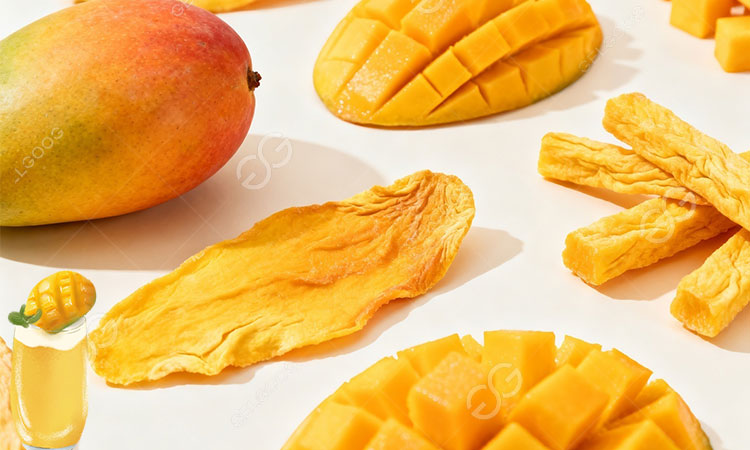
2. Equipment Procurement Costs
Equipment constitutes the core investment for a mango processing plant. Depending on the specific mango products being produced, processing workflows vary, and consequently, the required equipment—and thus the associated procurement costs—will differ.
Common mango processing equipment and their respective costs are outlined below:
① mango juice production line: Costs typically range between $50,000 and $150,000.
② mango paste/puree production line: Due to the inclusion of concentration equipment, costs range approximately from $80,000 to $200,000.
③ iqf mango cubes production line: This category of production equipment requires a substantial investment, typically ranging from $150,000 to $500,000—or even higher.
3. Labor Costs
Labor costs depend on local labor rates as well as the level of automation in the equipment.
Semi-automated processing plants: Typically require 20–50 workers.
Fully automated processing plants: May require only 10–20 workers.
However, with the widespread adoption of automated equipment, an increasing number of enterprises are opting to reduce their reliance on manual labor, thereby lowering long-term operating costs.
4. Raw Materials and Operating Costs
In addition to fixed capital investment, daily operating costs must also be taken into account, including:
Procurement of raw mangoes, packaging materials, utilities (electricity and water), transportation, and logistics.
As mangoes are a seasonal fruit, many mango processing plants procure raw materials in bulk during the peak season. To ensure year-round production, they utilize cold storage or process the fruit into semi-finished products; this practice, however, entails additional storage costs.Overall, the investment cost for a mango processing plant typically ranges from $50,000 to $500,000; naturally, however, the total cost will vary depending on the specific production requirements of the client and local conditions.