Mangoes are a very popular fruit and are high in nutritional value. The main processed forms of mango are juice and drinks, dried mango, mango purée and pulp and frozen mango chunks. The processing flows for these products are all different but they all involve a cleaning stage. Why is mango washing is so important in the mango processing flow?
The surface of the mango can easily become contaminated with soil, dust, leaves and all the other sorts of stuff during harvesting, transport and storage. If that contamination isn’t effectively removed it will have a negative impact on the subsequent processing and on the quality of the final product.
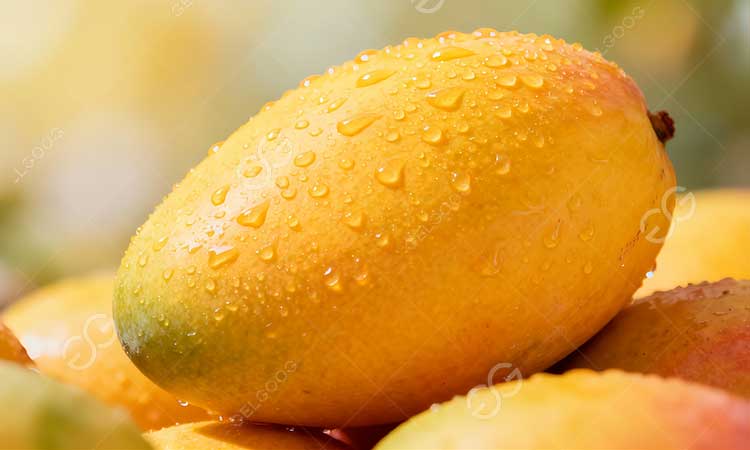
The Purpose of Mango Washing:
1. Removing surface impurities to ensure raw material cleanliness
Washing removes the surface contaminants from the mangoes and thus reduces the chance of those contaminants getting into the peeling, slicing and pulping stages that follow.
2. Reducing the risk of microbial contamination
An effective wash will reduce the microbial load on the surface of the mangoes and thus improve the hygienic condition for further processing. It should be stressed that standard water washing will not achieve sterility and will not eliminate all microbes.
3. Minimizing equipment contamination and reducing maintenance costs
If you feed unwashed mangoes straight into the peeling, slicing or pulping equipment then impurities (soil, sand, twigs, leaves etc) will get into the machine and cause increased wear and tear as well as a greater load on cleaning and maintenance.
4. Enhancing product quality and production stability
Whether you’re making dried mango, mango juice or frozen mango chunks the cleanliness of the raw material is a key factor in determining the quality of the final product. A consistent washing process will ensure that the raw material entering the next stage of processing is clean and will help to minimise contamination by foreign matter and maintain consistency of product quality.
Primary Equipment for Mango Washing
In the mango processing lines the usual method of cleaning is to use a combination of flat roller brushes and water spraying. The equipment works by using the friction of the brushes and the flushing action of the water to remove soil, dust and all sorts of other matter which is adhering to the surface of the fruit.
A flat roller brush washer typically comprises a conveyor system, brush rollers, a spray system, a water tank and a machine frame. Operation involves feeding the mangoes onto a series of parallel brush rollers which are then driven by a motor to rotate continuously. As the mangoes are conveyed along the line they are tumbled and abraded by the brush rollers.
The brushes will remove the soil and debris which is firmly attached to the fruit, the spray system above the equipment will then continuously deliver clean water to rinse the mangoes. The two processes work in tandem to improve the cleaning.
In short washing is a key stage in the industrial processing of mangoes, providing a clean base for the raw material and ensuring the quality of the finished product. It sets the stage for all the subsequent processing (peeling, slicing, pulping, drying etc).