Beyond being eaten fresh, mangoes can be processed into pulp, juice, jam and all sorts of other ingredients for baked goods. Mango pulp in particular preserves the natural flavour and pulp of the fruit and is widely used in the beverage, dairy and food processing industries.
Setting up a mango pulp manufacturing plant involves more than just buying the production equipment. You’ve got to think through the supply of raw materials, the level of production you’re aiming for, the layout of the facility, the quality of the product and the market demand. A good deal of advance planning is required to keep your investment down and your production up.
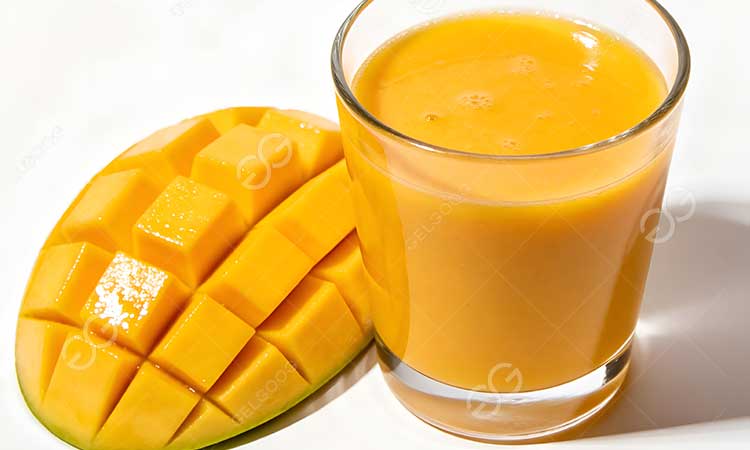
What needs to be considered when setup a mango pulp manufacturing plant?
- Explain what product positioning means and what market demand is.
Before you go and setup a plant you have to establish your primary markets and the type of pulp you’re going to be making. A beverage manufacturer may be looking for a very fluid pulp, a jam or a baked goods producer will have quite different requirements in terms of viscosity, pulp content and flavour. - Establish the raw material supply and processing capacity
The price, ripeness, variety and seasonality of the mango all have an effect on the cost of production at a facility. When setting up a mango pulp plant you have to be very mindful of the areas in which the mangoes are grown, your procurement arrangements and the logistics of getting the fruit to the plant in order to keep both the cost and the loss as low as possible. - Planning the plant layout and the production process
A mango pulp manufacturing plant will need a well laid out facility with areas for receiving of raw material, washing, peeling and de-pitting, pulping, heat treatment, filling and storage of the finished product.
The production areas should be laid out in the order of the processing steps to avoid cross contamination between the raw materials and the finished product. There will of course be a need for advance planning with regard to water supply and drainage, electricity, steam (or other form of heating energy), as well as the provision of cleaning, disinfection and waste facilities. - Choosing the right mango pulp processing equipment
A full mango pulp production line would normally comprise a washer, peeler and destoner, pulper, filter, homogeniser (as required by the end product), steriliser and filler.
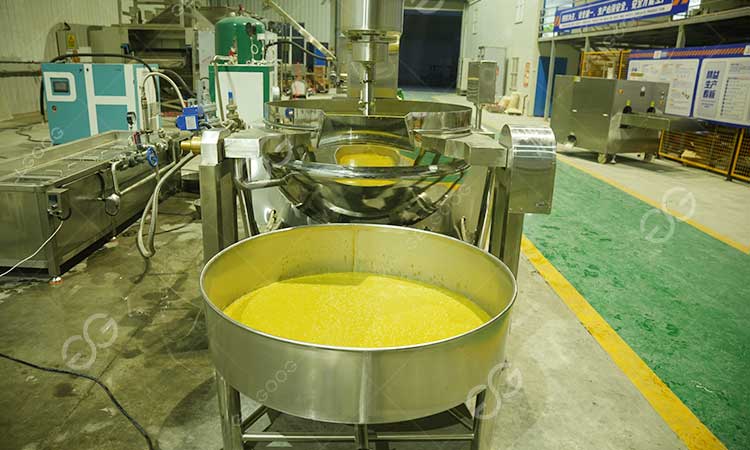
Key costs for setup a mango pulp processing plant:
Construction costs will generally be made up of the following elements, the exact figures of course being dependent on the size of the plant, the equipment to be included, the type of facility and the country/region in which it is being built.
- Facilities and infrastructure: the plant itself (lease or build), floor treatment, drainage and the power and water supply systems.
- Mango pulp processing equipment: washing, peeling and destoning, pulping, sterilisation, filling etc.
- Packaging and storage: packaging materials, storage tanks and storage facilities (refrigerated or ambient temperature).
- Compliance and testing: food production licences, quality testing, sanitary facilities and relevant certifications.
- Working capital: the cost of the mangoes themselves, labour, utilities (water, electricity, energy), packaging and the day to day running of the business.
Of these, the processing equipment and the procurement of raw materials will generally be the areas that require the most rigorous financial appraisal. If the plant is going to require a new facility then land and buildings will also be a major component of the total investment.
Key considerations for setup a mango pulp manufacturing plant
- Prioritise the quality of the raw mangoes
- Maintain strict control over hygiene and sterilisation processes
- Decide on packaging methods ahead of time.
- Focus on waste management and full resource utilisation
- Allow for flexibility in production capacity
If you’re interested in us setting up a mango pulp manufacturing plant then please don’t hesitate to get in touch with us.